
As we age, maintaining independence becomes an essential part of quality of life. With thoughtful daily support, seniors can continue living in their own homes while enjoying autonomy and dignity. In this article, we explore practical ways to help seniors maintain independence, the benefits of home care, and the importance of personalized support.
Understanding the Value of Independence for Seniors
For many older adults, the desire to maintain independence is not just a preference but a profound need that underpins their overall health and happiness. Independence in later life contributes positively to mental and physical well-being by supporting self-esteem, encouraging activity, and fostering a sense of purpose. When seniors are able to make choices, manage aspects of their daily routine, and live according to their own values and rhythms, they often experience heightened self-worth and satisfaction. This autonomy is related to lower rates of depression and anxiety, as well as improved physical health—senior adults who are more independent are typically more active, which can help preserve strength, mobility, and cognitive function.
However, aging brings challenges that can threaten this valued autonomy. Common obstacles include mobility limitations, such as difficulty walking or climbing stairs, which can restrict movement around the house or community. Diminished vision or hearing, chronic pain, and fatigue may also make daily tasks more difficult or risky. Cognitive changes, including mild memory loss or more serious forms of decline like dementia, can complicate everyday decision-making and personal management. These changes might lead to unintentional isolation or an increased risk of fall-related injuries, both of which can hasten the loss of independence.
The emotional impact of losing independence should not be underestimated. Feelings of frustration, helplessness, or being a burden can arise when seniors are unable to care for themselves or must rely heavily on others. These emotions, in turn, can reduce motivation to engage in social events or physical activity, setting off a cycle that further erodes independence.
Preserving autonomy is essential not only for personal dignity but also for delaying or even preventing the need for institutionalized care. Remaining at home, surrounded by familiar spaces and routines, can dramatically enhance life satisfaction for seniors. At the same time, it is critical to recognize that supportive measures—such as those tailored daily support strategies discussed in the next section—can help bridge gaps caused by the aging process. Carefully balanced support, aimed at empowering rather than replacing the efforts of seniors, extends the period during which they can thrive comfortably and safely within their own homes.
Essential Daily Support Strategies for Maintaining Autonomy
Empowering seniors to continue living at home often hinges on providing the right daily support services tailored to their evolving needs. Practical, hands-on assistance is essential, yet the aim is not simply to do for, but to do with—ensuring that each older adult maintains as much agency as possible while receiving essential help.
Personal care activities—like bathing, dressing, and grooming—are fundamental to daily living but can become challenging with age. Discreet, respectful support here is vital. For instance, offering a stable hand or adaptive equipment during showers, rather than assuming full washing responsibilities from the outset, enables seniors to participate actively in their care. Choosing clothing together, or using dressing aids, helps retain decision-making and fine motor skills. These approaches encourage movement, dexterity, and a sense of achievement, all of which reinforce autonomy.
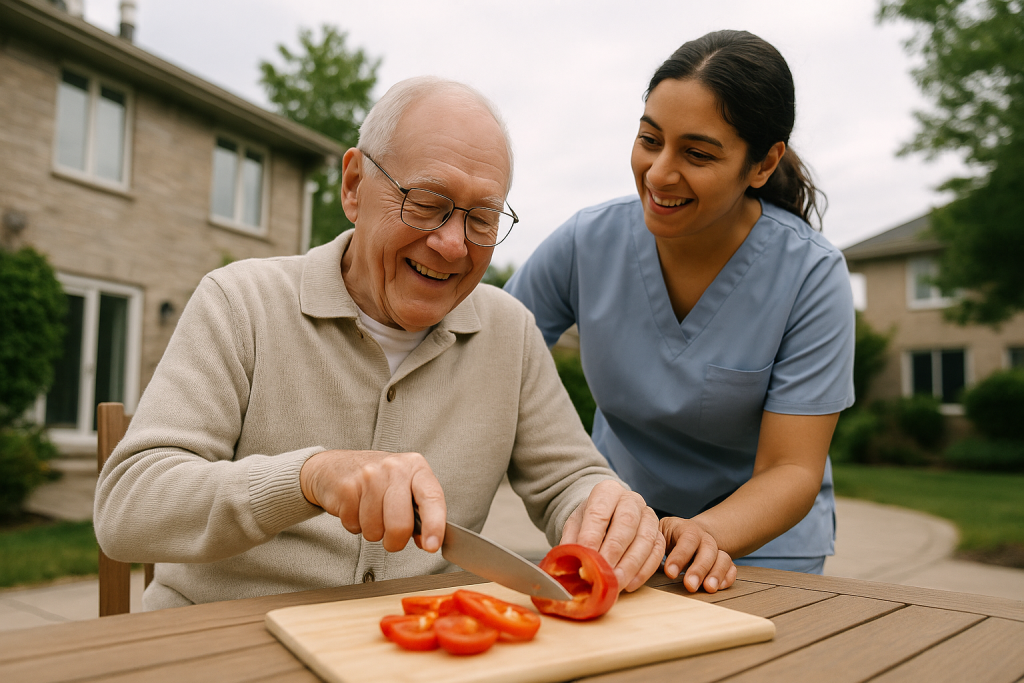
Nutrition is another critical area where balance is key. Many seniors benefit from assistance with meal planning, grocery shopping, and food preparation. However, rather than just preparing meals for them, engaging seniors in selecting recipes, chopping vegetables, or arranging the table fosters interest and upholds familiar routines. For those with dietary restrictions or diminished appetites, support can include preparing appetizing, easy-to-eat options that respect individual tastes and cultural backgrounds.
Medication management, often a source of anxiety for both seniors and their families, can be streamlined with reminders, pill organizers, and supervised routines. Encouraging seniors to check off their own medication schedules or handle the organization themselves when possible preserves a sense of responsibility.
Mobility support, whether through supplying canes, walkers, or home modifications, can significantly reduce the risk of falls—one of the most common causes for loss of independence. It’s important to encourage movement by walking together or prompting exercises, reinforcing strength and confidence.
The most effective daily support services are highly personalized. Regular conversations, careful observation, and a genuine curiosity about preferences and routines allow caregivers to adjust assistance levels as needed. This dynamic approach—adjusting help to match capability—prevents both over-assistance, which can erode skills, and under-assistance, which can lead to frustration or harm. By weaving practical support into daily life in a thoughtful, individualized way, seniors’ independence is not only preserved but enhanced, building a foundation for meaningful involvement and ongoing well-being at home.
The Role of Family and Professional Caregivers
Family members are often at the heart of a senior’s support network, offering emotional grounding and a deep understanding of their loved one’s preferences and routines. However, ensuring that older adults can thrive independently at home often calls for a collaborative approach between family caregivers and professional care providers. When both groups work together, the result is a comprehensive support system that addresses not only daily logistics but also the emotional and social facets of well-being.
Collaboration brings many advantages. First, it encourages effective two-way communication, helping everyone understand the senior’s evolving needs and coordinate responsibilities. Family caregivers benefit from the expertise and experience of professionals, who can share best practices or alert family members to changes in physical or cognitive health that may require intervention. Professional caregivers, in turn, gain valuable insights from family about personality, habits, and preferences—information essential for personalizing care.
Trust is a cornerstone of this partnership. Family members may feel protective or even hesitant to involve outside help, while professionals must demonstrate sensitivity and respect. Developing mutual trust means listening actively, setting shared goals, and approaching challenges together. An open dialogue creates a sense of shared mission to support the senior’s independence, comfort, and safety.
Ongoing training and education are vital for family members, equipping them with skills to assist safely—such as proper transfer techniques or recognizing medication side effects. Resources like caregiver support groups and online courses can also address emotional needs, reducing isolation and burnout. Professional caregivers play a key role in filling gaps when families face limitations—particularly in specialized care needs or during times when relatives are unavailable.
Crucially, all parties must recognize that a senior’s needs are dynamic. Regular assessment—whether through professional evaluations or family meetings—ensures the care plan evolves as circumstances change. This might mean increasing professional visits, introducing new assistive devices, or reimagining daily routines. By maintaining flexibility and prioritizing ongoing communication, families and professionals can build an adaptable support structure that empowers older adults to maintain their autonomy and continue thriving at home.
Choosing the Right Home Care Services for Lasting Independence
Selecting the right home care services for an aging loved one is more than a logistical decision—it is a meaningful investment in their ongoing autonomy, dignity, and comfort. Every older adult has a unique story, lifestyle, and set of priorities. To truly honor these factors, families and seniors themselves should seek home care solutions that are flexible, customized, and rooted in a respect for personal independence.
A key factor is ensuring the agency and caregivers possess the appropriate credentials and training. Look for providers with licensed, insured professionals who are rigorously screened and receive ongoing education. This guarantees not only the quality of care, but the safety and reliability that seniors deserve in their homes.
Equally important is the agency’s ability to adapt care as needs evolve. Unlike rigid programs, high-quality providers—such as Dignity Home Care Solutions—craft individualized care plans that prioritize input from the client and their loved ones. This may begin with help around the house or transportation, later incorporating medication reminders, mobility assistance, or personal care as circumstances change. The best agencies pride themselves on responsiveness and flexibility, making it easy to increase or decrease services as seniors’ routines shift.
Reputation and client feedback are invaluable when making your decision. Seek references, read reviews, and ask about the agency’s approach to communication and problem-solving. Reputable agencies are transparent about their values and performance, fostering trust from the first interaction.
Affordability remains a practical concern. Explore which services are covered by health insurance, long-term care policies, or financial assistance programs. Leading agencies offer clear, up-front pricing and work with families to design affordable plans that never compromise on quality or personal choice.
Perhaps most critically, the right home care agency partners with seniors to keep them in control of their daily lives. Through collaboration and genuine connection, services are continually tailored to match personal habits, cultural values, hobbies, and preferred routines. This empowers older adults to not merely manage at home, but to flourish, finding purpose, comfort, and community on their terms—no matter how needs may change.
Conclusions
Supporting seniors with daily assistance is key to nurturing their independence and well-being. By combining thoughtful care strategies, strong partnerships with families and professionals, and choosing the right services, older adults can enjoy fuller, more autonomous lives at home. Selecting a dedicated home care provider ensures peace of mind for both seniors and their loved ones.