Falls remain a leading cause of injury among seniors living at home, impacting both health and independence. With the right modifications and habits, most falls can be prevented. This article explores practical steps to reduce fall risks, focusing on environmental changes, healthy routines, and the importance of personalized support for every senior.
Understanding Fall Risks in the Home Environment
Understanding why seniors are at higher risk of falling at home starts with a close look at both intrinsic and extrinsic factors. Intrinsic factors are those related to the individual’s personal health and abilities. For example, many older adults experience decreased muscle strength, slower reflexes, and limited mobility as a natural part of aging. Arthritis can lead to joint instability, while foot problems or neuropathy may affect balance and gait. Poor vision, whether from cataracts, glaucoma, or age-related macular degeneration, can make it difficult to spot hazards such as steps or small objects on the floor. Chronic health conditions—like Parkinson’s disease, stroke, or diabetes—often impair balance, cognitive function, or coordination. Additionally, certain medications (especially sedatives, blood pressure drugs, and some antidepressants) can cause dizziness, confusion, or drops in blood pressure when standing, all of which sharply elevate fall risk.
Extrinsic factors are environmental hazards within the home. Cluttered walkways, unsecured area rugs, electrical cords stretched across living spaces, or even pet toys can be hidden tripping hazards. Uneven flooring, such as transitions between carpet and tile, or thresholds at room entrances, present unexpected obstacles. Poor lighting, especially in hallways, staircases, and bathrooms, can prevent seniors from seeing where they’re stepping. Bathrooms and stairs are particularly dangerous due to slippery surfaces and lack of supportive handrails.
No two homes are identical, and the combination of risks can be unique for every senior. For instance, an older adult living in a historic house may have narrow staircases with no railings, whereas someone in a modern apartment might struggle with glossy tile floors that become slippery when wet. Clutter levels can also vary widely, especially if a senior is downsizing, has recently lost a spouse, or is grappling with hoarding tendencies.
As such, a thorough home assessment led by a trained professional—such as an occupational therapist or a certified aging-in-place specialist—can be invaluable. These experts look beyond the obvious, evaluating how a senior moves within their own space, interacts with daily objects, and manages personal routines. They might watch someone prepare a meal, noting how the layout of kitchen cupboards or the location of a frequently used step stool influences safety. Their recommendations consider both environmental hazards and individual vulnerabilities, ensuring each fall prevention plan is precisely tailored to support ongoing independence.
Practical Home Modifications and Safety Aids
A safe and comfortable living space is essential for seniors who wish to remain independent at home. Thoughtful home modifications can create an environment that reduces the risk of falls while supporting daily routines. One of the most effective strategies is to enhance visibility throughout the house. Replacing dim bulbs with brighter, energy-efficient lighting and layering ambient, task, and night lights—especially around stairs, hallways, and bathrooms—can prevent missteps caused by poor visibility.
Handrails and grab bars offer essential stability, particularly in areas where balance is easily compromised. Installing sturdy handrails on both sides of stairways and grab bars near toilets and inside showers or tubs allows seniors to use their upper body for extra support. For those looking for budget-friendly solutions, tension-mounted grab bars can often be installed without extensive renovations.
Tripping hazards should be eliminated to the greatest extent possible. Secure all cords out of walkways and remove throw rugs, or tape them down using non-slip backings. Repair or cover uneven flooring and thresholds, as even minor changes in elevation can disrupt gait. Repositioning furniture to widen passageways makes movement with walkers or canes safer and more accessible.
The bathroom is an area that demands special attention, given its high potential for slips. Adaptive devices such as non-slip mats, raised toilet seats, and shower chairs provide added security. Raised toilet seats reduce the effort—and instability—of sitting down and standing up. Shower chairs and hand-held shower heads allow seniors to bathe while seated, diminishing the risk of slipping on wet surfaces.
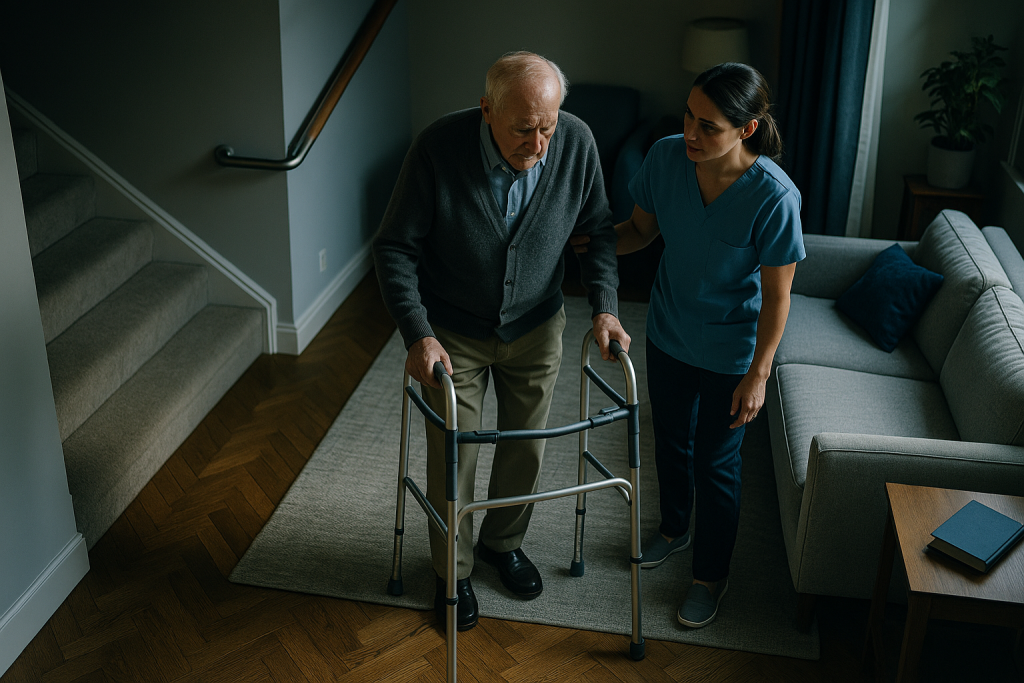
Mobility aids should be tailored to the individual. Whether it’s a cane, walker, or rollator, proper fit and regular maintenance ensure these devices continue to support steady movement. Consider adding non-slip tread to indoor stairs and entryways, and if possible, create no-step entries or ramps to accommodate walkers and wheelchairs.
Many of these adaptations, like improved lighting and removal of clutter, require minimal investment but yield dramatic improvements in safety. By combining simple changes with practical safety aids, seniors and their families can transform their homes into secure environments that empower continued independence while forming a foundation for safe habits and support—topics explored further in the next section.
Building Habits and Support Networks for Fall Prevention
Establishing strong daily habits and embracing community or professional support are essential components of ongoing fall prevention for seniors living at home. Routines that promote both physical health and social connection reinforce a safe environment while nurturing autonomy and confidence.
Daily activity routines should include regular exercise focused on improving balance, strength, and flexibility. Simple at-home activities like standing heel-to-toe, single-leg stands, and gentle stretches promote stability and mobility. Strengthening lower body muscles is particularly important—exercises like chair rises or gentle squats help maintain strong legs that can better respond to slips or stumbles. Older adults benefit from routines that incorporate walking, resistance exercises with light weights or resistance bands, and balance-specific workouts such as Tai Chi or chair yoga. Many community centers or senior centers offer supervised group classes which also encourage social interaction, making exercises more enjoyable and helping to spot unsafe habits before they become problematic.
Part of any healthy routine should include regular vision checks. Vision can change rapidly with age, affecting depth perception and balance. Scheduling eye exams at least once a year ensures that seniors have the correct prescription and are aware of any emerging concerns that could increase fall risk. Equally important is scheduling medication reviews with a pharmacist or physician—some medications, or certain combinations, may cause dizziness or drowsiness. Ensuring medications are up-to-date and free from problematic interactions is a crucial—yet often overlooked—aspect of fall prevention.
Footwear also plays an underestimated role in maintaining balance. Supportive shoes with non-slip soles, a secure fit, and adequate support reduce risks posed by slippery surfaces or uneven floors. Avoiding open-backed slippers, high heels, or shoes with worn soles is vital for maintaining a stable base while walking around the house.
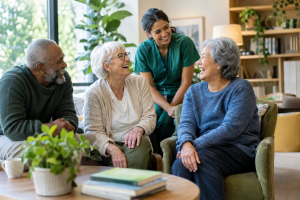
Support networks—including family, friends, and home care professionals—are invaluable allies in fall prevention. Regular check-ins and collaborative care allow for subtle changes in movement or behavior to be noticed early. Caregivers can reinforce safe habits, remind seniors about exercises and medication, and help monitor any environmental changes. Local community programs can provide home visits, wellness checks, and access to fitness resources. By cultivating this circle of support, seniors are not only protected but also empowered to live independently with confidence and dignity.
Conclusions
Preventing falls is essential for seniors’ safety and long-term independence. By understanding unique risk factors, making thoughtful home modifications, and building supportive routines and networks, seniors can enjoy their homes with greater confidence. Prioritizing these strategies helps families and caregivers ensure a safe, comfortable, and empowering environment for aging loved ones.