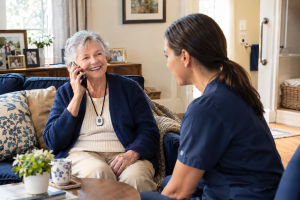
Seniors want to feel secure and cared for in their own homes. Friendly reassurance services, which provide consistent check-ins and genuine human connection, have emerged as a vital component of senior safety. In this article, we explore how these services enhance safety, prevent isolation, and support overall wellbeing for older adults and their families.
Understanding Friendly Reassurance Services and Their Key Benefits
Friendly reassurance services are a unique and evolving form of support tailored specifically to address the daily well-being of older adults. Unlike traditional home care, which often focuses on physical assistance—such as help with bathing, dressing, or meal preparation—or emergency response systems that intervene only after a crisis, friendly reassurance services prioritize regular, personal connection. These services usually offer scheduled phone calls, text messages, or in some cases brief in-person visits by trained staff or caring volunteers. The heart of friendly reassurance lies in fostering social bonds and emotional comfort, creating a gentle safety net that complements other forms of care.
One of the most significant benefits of friendly reassurance services is the reduction of loneliness. Older adults, especially those living alone, are at increased risk for the emotional and physical consequences of social isolation. A simple daily phone call provides not just a friendly voice, but validation that someone is actively interested in their well-being. Regular social contact helps seniors feel seen, appreciated, and connected—even if family lives far away or visits are infrequent. Over time, this steady companionship can lift spirits, reduce symptoms of depression, and improve overall quality of life.
In addition, friendly reassurance fosters deep trust. When seniors know that someone will reliably check in, they become more likely to share concerns or discuss changes in their health and environment. This trustful relationship is especially vital for those who may otherwise hide worries for fear of being a burden. When a familiar voice asks, “How are you feeling today?” or “Did you manage to have lunch?” it creates a gentle prompt for honest conversations. Such trust bridges the gap between independence and the vulnerability that sometimes comes with aging.
A profound benefit of these services is the sense of security they inspire. When an older adult knows that even minor troubles—a missed meal, a forgotten medication, or feeling “a bit off”—will be noticed quickly, both the senior and their loved ones can enjoy greater peace of mind. For example, if a participant doesn’t answer a morning call, the reassurance provider can escalate contact attempts or alert family or neighbors. Even regular conversations can spot subtle issues, such as noticing confusion, fatigue, or a change in mood, before they develop into more serious threats.
Moreover, friendly reassurance services act as an informal early warning system. Trained check-in staff are attuned to patterns and can pick up cues that something is amiss. For example, a senior who mentions “feeling dizzy” or “skipping breakfast a lot lately” may be experiencing the first signs of emerging health issues like dehydration, medication side effects, or early infection. By flagging these minor problems promptly, families and caregivers can take action before complications require hospitalization.
By focusing on proactive social engagement and attentive listening, friendly reassurance services not only brighten the daily lives of seniors but provide practical, timely support that strengthens their safety net and builds resilience against preventable crises.
The Direct Link Between Reassurance and Improved Senior Safety
The impact of friendly reassurance services on senior safety extends well beyond alleviating loneliness or offering comfort. These regular, compassionate check-ins serve as an essential frontline defense that actively prevents accidents, catches health issues in their early stages, and reduces the risk of harm for seniors living independently. When a trusted person is in regular contact—whether through a daily phone call, video chat, or face-to-face visit—they often notice subtle changes that can indicate trouble well before a crisis occurs.
For example, daily check-ins have proven invaluable in catching missed medication early. A quick conversation might reveal that a senior felt “off” that morning or forgot to take an essential pill. That gentle inquiry can prompt a timely reminder or alert family and medical professionals, averting the risk of complications from missed doses. In real-world programs across the United States and Europe, seniors who participate in scheduled reassurance calls are less likely to have medication errors go undetected, leading to fewer hospitalizations and better overall health outcomes.
Regular, friendly contact is also uniquely positioned to catch physical risks like falls or developing confusion. Many seniors, motivated by pride or fear of losing independence, may withhold distressing information during formal medical visits. However, the rapport built through casual, genuine interactions often encourages honesty. A senior might casually mention a new bruise, unexplained fatigue, or a trip hazard encountered at home. The trusted person on the other end of the check-in can detect patterns—perhaps slurred speech, breathlessness, or mental lapses—that might otherwise go unnoticed, communicating concerns to family members or care professionals for immediate follow-up.
The psychological benefits contribute directly to safety as well. Feeling noticed and cared for increases motivation to maintain personal health routines. Seniors with daily check-ins often feel more engaged, which inspires them to eat well, take medications, and move about safely. Anxiety diminishes when they know someone will notice if they feel unwell or need urgent help. This peace of mind is especially critical for those living alone or whose family lives far away. With less anxiety, cognitive function tends to improve, further reducing the chance of accidents due to confusion or forgetfulness.
Evidence backs the direct relationship between reassurance services and reduced emergencies. Municipal programs and nonprofit pilots demonstrate that seniors receiving consistent check-ins experience fewer falls, faster response times to emerging health problems, and avoid complications that might otherwise require hospitalization. The act of asking “How are you today?” and truly listening is a powerful intervention—empowering older adults to voice concerns, engage proactively in self-care, and ultimately live more safely and independently.
Integrating Friendly Reassurance into Holistic Home Care Plans
Integrating friendly reassurance services into holistic home care plans elevates both the quality and comprehensiveness of support available to older adults. Rather than a stand-alone feature, friendly reassurance becomes a dynamic part of a client-centered care strategy, operating alongside health monitoring, assistance with daily living activities, and social engagement. The emotional dimension of reassurance—informed by genuine empathy—helps to bridge the practical and psychological aspects of well-being, ensuring that care is truly holistic.
Effective integration relies on robust communication channels connecting caregivers, seniors, and family members. Regular updates about the senior’s mood, any observed changes, and responses to reassurance check-ins supply valuable context for the broader care team. An open, respectful flow of information fosters trust and enables swift adjustments to care plans when needed. When family members feel informed and involved, their peace of mind grows, strengthening the support network around the senior. This partnership is especially vital in recognizing subtle shifts that might otherwise go unnoticed: a slight change in tone or an offhand remark during a check-in could signal a developing concern requiring coordinated intervention.
Best practices for scheduling reassurance services begin with personalization. The timing, frequency, and method of contact should match the senior’s routines, preferences, and personality. For some, a gentle phone call suits morning hours; for others, a brief text or video chat in the evening adds comfort. Care teams must listen attentively to feedback and adjust schedules as needed, recognizing that flexibility is key. Thorough follow-up is essential: if a concern arises during a check-in, it must be promptly escalated to the appropriate family member, nurse, or physician. Documenting outcomes from each interaction allows patterns to emerge, enabling care providers to pre-emptively address risks and continuously refine the support approach.
Technology amplifies the impact of reassurance services, especially for families with busy schedules or who live at a distance. Secure communication platforms enable real-time updates from caregivers, digital care logs, and seamless coordination between multiple stakeholders. Video capabilities can add visual cues to conversations, helping caregivers pick up on nonverbal signs of distress or confusion. However, these technological tools are guarantees only when coupled with warmth and sensitivity. A video chat or text cannot wholly substitute the feeling of connection fostered by a familiar, empathetic voice or a caregiver’s remembered interest in a senior’s favorite stories.
For families exploring reassurance services, choosing providers with skilled, compassionate teams is crucial. Seek out agencies that prioritize relationship-building, cultural competence, and ongoing training in empathetic communication. Ask about customization options and how care teams track follow-up actions. Families should also establish clear preferences for method and timing of check-ins and strive to be active participants in care plan reviews. Ultimately, integrating friendly reassurance into a holistic home care strategy requires a blend of strong communication, compassion, adaptability, and thoughtful use of technology—never losing sight of the senior’s unique personality and evolving needs.
Conclusions
Friendly reassurance services are a powerful yet compassionate tool for boosting senior safety at home. By blending personal connection with vigilant check-ins, these services help detect risks early, reduce loneliness, and support both clients and their families. Incorporating regular reassurance into home care plans is an effective step toward healthier, happier, and safer aging.