Avoiding falls is crucial for seniors who want to remain safe, healthy, and independent at home. With the right strategies and environmental changes, families can significantly reduce the risk of accidents. This article explores practical and effective fall prevention tips, from home modifications to daily habits, to help seniors confidently age in place.
Understanding Why Falls Happen
Understanding the reasons behind the higher risk of falls for seniors living at home helps families and care providers identify where to focus prevention efforts. For older adults, falls often result from a combination of intrinsic (personal) and extrinsic (environmental) factors that interact in ways that can increase vulnerability around the house.
On the intrinsic side, age-related changes in the body play a crucial role. As people grow older, balance often becomes less stable due to diminishing sensation in the feet, reduced muscle strength, and slower reaction times. Muscle weakness—especially in the legs—can make simple movements like standing up from a chair or stepping over a threshold more challenging. In addition, vision naturally declines with age, sometimes due to cataracts or macular degeneration, making it more difficult to spot hazards or gauge depth accurately. Chronic conditions like arthritis, neuropathy, heart disease, and Parkinson’s disease may impair coordination, proprioception, or the ability to respond quickly to sudden movements.
Medications are another key factor. Many seniors take multiple prescriptions, some of which can cause dizziness, sleepiness, or a sudden drop in blood pressure when standing up. Medications such as sedatives, blood pressure drugs, or those that affect blood sugar levels, often have side effects that subtly raise the likelihood of stumbling, tripping, or losing balance.
Extrinsic factors are just as significant, because the home environment itself can present hazards. Poor lighting in hallways and stairwells may obscure obstacles or changes in floor height. Clutter, such as piles of magazines or loose electrical cords, creates tripping hazards that are easy to overlook, particularly when combined with vision changes. Uneven or damaged flooring—like raised edges on carpets or warped wooden boards—can catch a toe and result in a tumble, while slippery surfaces in bathrooms and kitchens are especially perilous. Even the arrangement of furniture can force awkward navigation, particularly with mobility aids.
The interplay of these factors underscores the importance of a holistic approach. Instead of focusing on one risk area, identifying and addressing both the physical conditions of the individual and the attributes of the living environment provides a solid foundation for effective prevention. Recognizing that hazards can exist in both the body and the home sets the stage for proactive measures. This understanding not only helps in choosing the right interventions, but also in maintaining confidence and independence. With this knowledge, it becomes possible to thoughtfully adapt the home, ensuring every space supports safe, comfortable living for seniors as their needs evolve.
Practical Home Modifications for a Safer Environment
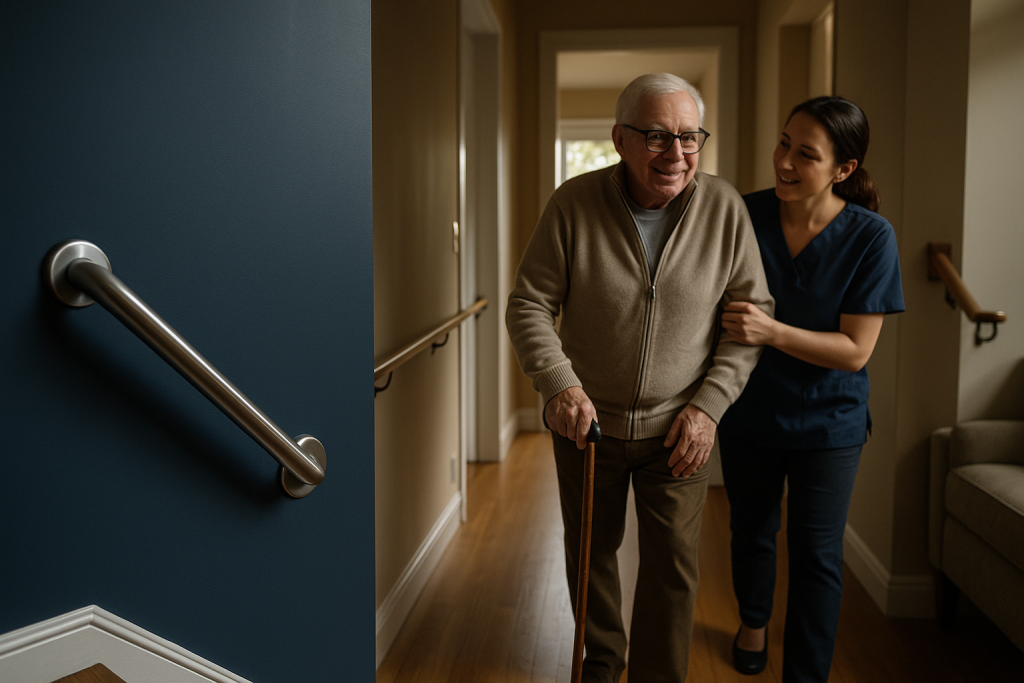
Taking practical steps to modify your home’s environment can make a significant difference in reducing the risk of falls and preserving your independence. One of the most effective strategies is to install secure handrails and grab bars in key locations, such as stairways, bathrooms, and even in hallways where balance is frequently challenged. In the bathroom specifically, a well-placed grab bar can provide vital support when stepping in or out of the shower or bath, or when using the toilet. When choosing grab bars and handrails, ensure they are mounted firmly into wall studs and can support your full body weight—temporary suction-cup varieties are generally less reliable.
Another important modification is the removal of loose rugs or mats, which are common tripping hazards. Instead, opt for rugs with non-slip backings or eliminate them altogether, especially in high-traffic areas like hallways and entrances. In kitchens and bathrooms—areas prone to moisture—install non-slip mats to help prevent accidental slips, and always quickly wipe up any spills.
Clutter can be a hidden danger in any home, so it’s essential to keep hallways, stairs, and pathways clear at all times. Rearranging furniture can help create wide, unobstructed walkways, significantly lowering the risk of accidental trips. Consider the height and stability of frequently used furniture—such as chairs or beds—to make sure they are easy to get in and out of without wobbling or tipping.
Lighting also plays a pivotal role in preventing falls. Replace dim bulbs with bright, non-glare options throughout the home, including nightlights in bedrooms, bathrooms, and hallways. Place light switches at both the top and bottom of staircases, and ensure that frequently used rooms and entryways are well-illuminated. If possible, choose bulbs that mimic daylight, which can help improve depth perception and reduce shadows.
For a truly comprehensive approach, conducting a professional home safety assessment is invaluable. Many occupational therapists, physical therapists, or specialized home safety evaluators offer detailed assessments and tailor recommendations to your specific needs. Inviting your healthcare provider or care team to participate ensures that changes address your individual mobility concerns and daily routines.
Involving family members or trusted caregivers in planning and implementing these modifications fosters collaboration and increases the likelihood that changes will be effective and maintained. By embracing these adjustments, seniors can enhance their confidence in moving about safely and continue to enjoy their home with greater peace of mind.
Building Safe Daily Habits and Support Networks
Building safer daily habits is just as crucial as making changes to the physical environment for fall prevention. Equipping oneself with reliable routines helps seniors proactively reduce risks in their everyday lives. First, consistently wearing supportive footwear both indoors and outdoors creates a stable foundation for movement. Shoes with non-slip soles, adequate cushioning, and a secure fit can help minimize slips and trips, while avoiding walking in socks or slippers without grips is essential.
For many seniors, assistive devices such as canes, walkers, or hand-held grabbers offer additional security. It is important that these devices are properly fitted and used as instructed by healthcare professionals. Regularly maintaining and checking the condition of these aids prevents unexpected malfunctions, and being honest about when they’re needed—at night, on stairs, or outdoors—can greatly reduce the chance of falls.
Vision and medications play significant roles in balance and coordination. Seniors should schedule regular eye exams to update prescriptions and screen for issues like cataracts, glaucoma, or macular degeneration. Any changes in eyesight mean there should be an immediate review of daily routines and possibly adjustments to the home setup. In parallel, medications should be reviewed at least annually with primary care providers or pharmacists. Some medicines or combinations may cause dizziness, drowsiness, or changes in blood pressure; open conversations allow for timely adjustments that can improve safety and quality of life.
Physical health remains a strong pillar for fall prevention. A regular exercise regime, focusing on balance and strength, provides tangible benefits in stability and mobility. Simple balance exercises, like standing on one foot or heel-to-toe walks, can be practiced at home, while strength training may include the use of resistance bands or light weights. Participating in local exercise classes or group activities not only motivates consistent practice but also fosters social connection.
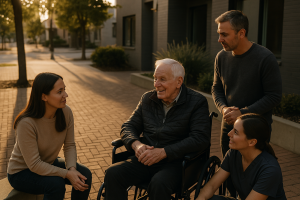
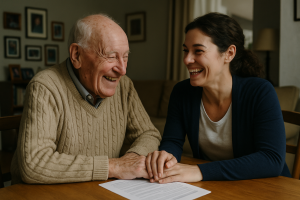
Communication and support networks are vital. Seniors should maintain open dialogue with family, friends, and home care professionals, routinely updating them on any changes in health, mobility, or concerns about falling. Quick reporting of near-misses, not just actual falls, enables faster interventions. Leveraging community-based resources—such as fall prevention workshops, volunteer check-in programs, or emergency alert systems—adds an extra layer of security. This collaborative, communicative approach ensures that seniors are not managing safety by themselves, but rather as a team effort, building confidence and encouraging independence while maintaining vigilance against fall risks.
Conclusions
Fall prevention is a comprehensive process that involves understanding risks, making thoughtful home modifications, and maintaining healthy routines. By combining environmental changes with daily safety habits and support, seniors can significantly lower their risk of falling. Prioritizing prevention not only safeguards health but also empowers seniors to live confidently and independently at home.