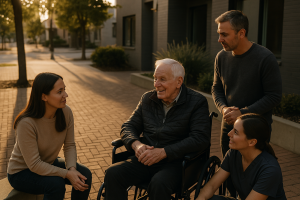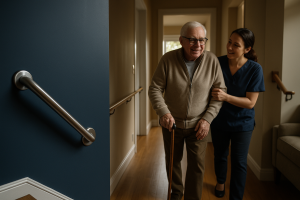
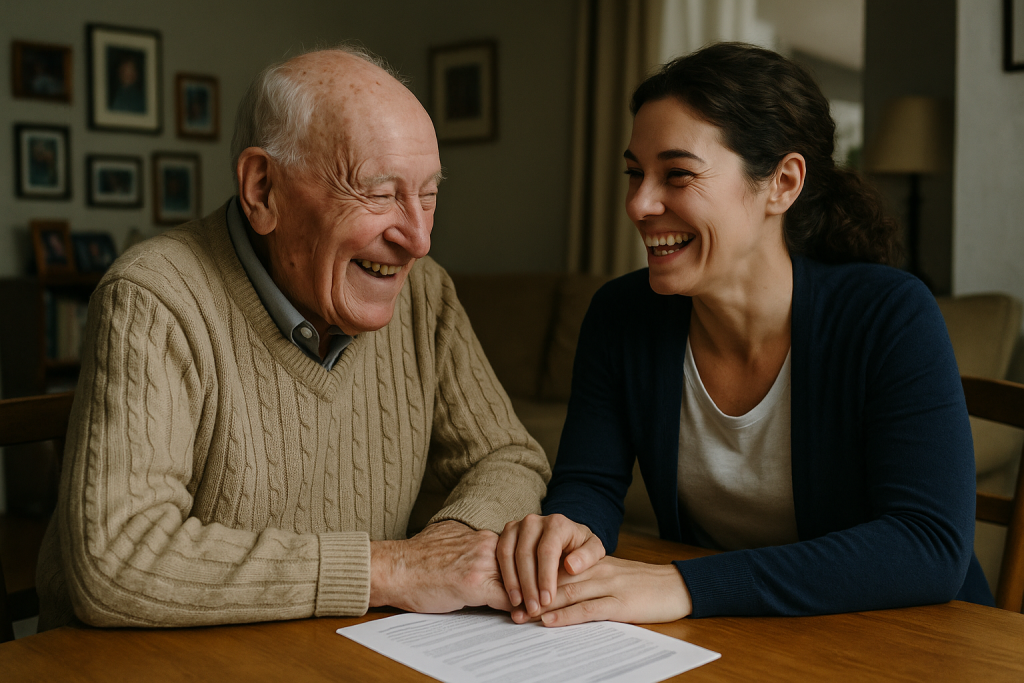
Genuine caregiver relationships are the foundation of quality care, enriching both the giver and receiver’s lives. In caregiving—whether for aging family members or in professional settings—the authenticity of connections makes a measurable difference. This article explores why sincere bonds matter, how they’re developed, and the far-reaching positive impact they have on wellbeing and trust.
Why Authentic Connection Matters in Caregiving
At the heart of every meaningful caregiving relationship lies the presence of an authentic emotional connection. This connection is not merely a luxury or an added bonus; it is the foundation upon which effective, compassionate care is built. Genuine relationships in caregiving are rooted in real curiosity, deep empathy, and an intention to understand and honor the full humanity of those receiving care. When caregivers approach their role with sincere interest and emotional presence, the experience of care shifts fundamentally from a transactional interaction to one that nurtures, soothes, and uplifts.
Emotional connection is central to caregiving success because it fosters a profound sense of security for care recipients. When people feel truly seen and valued by their caregivers, they are less likely to experience feelings of isolation or abandonment. A growing body of research in psychology and gerontology underscores the importance of these relational qualities. Studies have consistently linked authentic caregiver-recipient bonds with reduced anxiety, lower rates of depression, and decreased reports of loneliness among care recipients. The presence of genuine empathy leads individuals in care to feel safer, more confident, and more willing to express their needs and preferences—factors that directly translate to better daily outcomes and higher overall satisfaction.
Moreover, the benefits of authentic caregiving extend beyond the psychological realm. Medical research indicates that emotional support and meaningful interaction can have real physiological effects. Positive, nurturing relationships are associated with lower blood pressure, improved immune function, healthier sleep patterns, and in some cases, more stable progression of chronic illnesses. The sense that “someone really cares” can encourage adherence to treatment regimens and rehabilitation protocols, as recipients feel motivated and supported, rather than merely managed. In essence, the genuine presence of a caring person can be as potent as many clinical interventions.
For caregivers, these authentic connections are a powerful buffer against stress and burnout. Providing care—especially over long periods—can be emotionally and physically taxing. However, when caregivers experience real reciprocity and meaning in their relationships, the work feels less draining and more fulfilling. They are able to derive personal satisfaction, resilience, and even joy from their roles, which in turn allows them to provide steadier, more patient care. Expert opinion in the field of occupational health affirms that burnout rates are lower among caregivers who report strong emotional bonds with those they care for, as these relationships provide them with affirmation and a sense of shared purpose.
Purely transactional assistance, while sometimes necessary, tends to miss the opportunity for healing that lies within a true human connection. Authentic bonds—marked by warmth, sincere interest, and empathy—are what make caregiving a deeply meaningful exchange, elevating both the wellbeing of those who receive care and those who give it.
Building Trust Through Communication and Consistency
Open communication and reliable, consistent behavior are the cornerstones of building trust between caregivers and the people they support. Trust emerges not from grand gestures, but from the daily practice of attentive listening, transparent dialogue, and the honoring of each individual’s likes, routines, and boundaries. To develop genuine relationships that foster this trust, caregivers can implement several practical steps grounded in daily interactions.
Caregivers must prioritize active listening, which means not only hearing words but also paying attention to tone, body language, and even silence. Each care recipient communicates in their unique way, and recognizing these nuances is essential for tailoring support. For example, a caregiver noticing a subtle change in a client’s routine—perhaps less enthusiasm during a favorite activity—may gently inquire if something is wrong. These attentive, small check-ins signal to the individual that their feelings and wellbeing are valued.
Consistent behavior is equally vital. Routines create predictability and safety, but consistency also extends to emotional reliability. If a caregiver promises to return at a specific time or to follow through on a request, honoring that commitment is crucial. Over time, this reliability builds a foundation of trust. For instance, a care recipient may initially resist help with personal care, but a caregiver who arrives punctually and responds to concerns with patience can help gradually overcome those barriers.
Personalization is an important strategy for cultivating genuine relationships. Caregivers should take the time to learn about the individual’s background, interests, and preferences, integrating them into daily care. This might include remembering how a person likes their tea prepared, acknowledging a religious holiday, or playing music tied to cherished memories. Such gestures convey recognition of personhood beyond mere caregiving tasks.
Regular, honest interactions are essential for building and maintaining trust. Open sharing about schedules, changes in care plans, or mistakes (no matter how minor), helps establish a culture of mutual respect. For example, if an activity must be postponed, explaining the reason transparently prevents misunderstandings and reassures the recipient that their time and feelings matter.
Challenges inevitably arise. Resistance to care—rooted in fear, loss of independence, or previous negative experiences—can be eased by validating emotions and negotiating compromises when possible. For clients with communication difficulties, such as those living with dementia or speech impairments, employing alternative communication methods (visual aids, gestures, or simple yes/no choices) can help bridge understanding. When cultural differences emerge, listening without judgment and showing curiosity about traditions demonstrates respect and builds rapport.
By weaving together active listening, consistency, personalization, and sensitive responses to challenges, caregivers lay the groundwork for genuine relationships that go beyond routine care—relationships built on trust, respect, and a shared sense of partnership.
Long-Term Benefits for Caregivers and Those They Care For
A genuine relationship between caregivers and those they support unfolds into a tapestry of long-term, positive outcomes, nurturing the well-being of everyone involved. These deep, heartfelt connections do more than simply ease daily care—they lay the groundwork for emotional fulfillment and resilience over time. When caregivers invest in authentic, person-centered relationships, both parties reap enduring rewards that stretch beyond momentary comfort or convenience.
For care recipients, the presence of a genuinely invested caregiver cultivates a profound sense of belonging and security. They feel seen, heard, and valued—elements that contribute to greater self-esteem and autonomy. Over months and years, this trust transforms into a reliable anchor, empowering individuals to voice their preferences and participate actively in their own care. The psychological benefits are substantial: reduced anxiety, diminished feelings of loneliness, and a heightened sense of dignity. Studies in geriatric care environments, for instance, reveal that residents with strong caregiver bonds are more likely to express contentment with their living situation and display fewer depressive symptoms. Case studies have also shown that individuals receiving home-based care from the same dedicated caregiver over time often maintain higher levels of daily independence, striving for small personal milestones that may otherwise seem out of reach in a less supportive atmosphere.
Caregivers themselves also experience significant, lasting advantages. Authentic relationships humanize the caregiving role, turning routine tasks into shared experiences. This relational dynamic wards off the exhaustion and emotional detachment often linked to burnout. When caregivers witness the positive impact of their support—when a care recipient’s eyes light up during conversation, or when progress is made toward a personal goal—they report greater job satisfaction and a sense of purpose. Data from long-term care settings indicate that environments fostering genuine caregiver-recipient connections see notably lower staff turnover. The emotional reward of helping someone thrive, coupled with opportunities for mutual growth and learning, fortifies a caregiver’s commitment to their calling.
Moreover, these authentic bonds help to build a supportive caregiving environment as a whole. Team members observing strong caregiver-recipient relationships are inspired to emulate this model of care, reinforcing a collective culture of respect, empathy, and collaboration. The positive atmosphere contributes to better communication, shared problem-solving, and smoother adaptation to care challenges—resulting in consistently higher standards of support for everyone.
Real-world stories bring these effects to life. Consider the case of a caregiver who, over years of serving the same elderly client, helped her regain confidence to engage in social activities, leading to new friendships and revived joy in day-to-day living. Or reflect on hospitals with mentorship-based caregiving programs, where novice caregivers paired with experienced colleagues report not only faster adjustment but also greater resilience in stressful situations.
In essence, investing in authentic bonds pays lifelong dividends, deeply enriching both the giving and receiving of care.
Conclusions
Genuine caregiver relationships elevate the entire care experience, offering comfort and trust to those in need while enriching caregivers’ lives. By prioritizing authentic connections and consistent communication, the benefits extend beyond daily tasks. These relationships create lasting positive effects for both parties, strengthening the caregiving environment far into the future.