Aging in place has become an increasingly popular choice for seniors who wish to maintain independence and comfort. By choosing to age safely at home, older adults can enjoy numerous benefits, such as emotional well-being, personalized care options, and a greater sense of autonomy. This article explores the key advantages and practical considerations for securing a safe home environment while aging.
Emotional and Psychological Benefits of Staying at Home
One of the most significant rewards of safe aging at home is the profound emotional and psychological support that familiar environments provide. Being able to remain in one’s longtime home allows seniors to draw comfort from their surroundings—spaces steeped in cherished memories and personal milestones. The comforting presence of family photographs on the walls, favorite armchairs, treasured heirlooms, and simple objects collected over a lifetime establishes an immediate sense of belonging. Unlike institutional settings, where environments often feel impersonal and rigid, home is a place where individuality is celebrated and each corner holds meaning.
Familiar daily routines such as morning rituals, preferred meal times, and personal hobbies foster a reassuring structure. In turn, predictability can significantly lower anxiety, helping seniors feel safe and empowered even as physical or cognitive changes emerge. Research consistently links these stable and supportive home settings with lower rates of depression among older adults. Remaining close to one’s community and neighbors often nurtures enduring relationships, further reducing isolation and promoting a positive outlook.
Self-esteem is another domain deeply impacted by staying at home. Being in control of personal routines and lifestyle choices, no matter how small, can reinforce a powerful sense of independence. Managing small decisions—from what to wear each day to how to arrange treasured knick-knacks—helps seniors maintain agency and pride. This autonomy is a cornerstone for mental well-being and personal dignity.
Furthermore, studies have demonstrated that seniors who age in familiar home environments often have higher overall life satisfaction and emotional resilience. The ability to reminisce among familiar cues, whether it’s a scent from the kitchen or the sight of a well-kept garden, offers ongoing opportunities to connect with one’s personal history, reinforcing a continuous sense of self and deep contentment.
Customized Safety Solutions for Home Environments
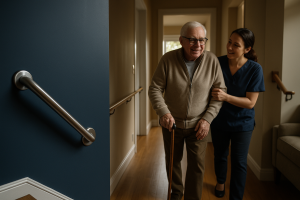
A fundamental aspect of aging in place revolves around transforming the home into a safer and more accessible space that aligns with evolving mobility and health needs. Customizing safety solutions for the home environment not only lends peace of mind to seniors and their families, but is also crucial in actively preventing injuries, particularly those related to falls—the most common cause of injury among older adults. Simple modifications can yield profound results: installing grab bars in bathrooms and hallways provides critical support, while ramps eliminate barriers posed by steps, ensuring smooth movement for individuals using walkers or wheelchairs. Non-slip surfaces added to bathrooms, kitchens, and entryways decrease the likelihood of accidental slips, and updating lighting throughout the home helps minimize shadows and improve visibility, thereby preventing missteps, especially at night.
However, ensuring a truly safe environment means going beyond basic alterations. Each home presents unique challenges depending on its layout and its occupants’ individual needs. Consulting with occupational therapists or certified aging-in-place specialists can provide invaluable insights; these professionals conduct thorough assessments, identifying both hidden hazards and opportunities for improvement, and can recommend materials, products, or reliable contractors.
Emerging technologies are transforming home safety as well. Emergency alert systems—which may be worn or integrated into the home—ensure that help can be summoned immediately if needed. Smart monitoring devices discreetly keep track of routines and send alerts to family members in the event of anomalies, allowing for timely interventions. Medication reminder systems, which range from simple electronic pill dispensers to integrated smartphone apps, offer additional safeguards, helping seniors maintain their health regimens independently.
By proactively adopting these physical and technological modifications, families can significantly reduce risk while supporting a senior’s autonomy. A safer home is a foundation not only for continued independence, but for nurturing social connections and active participation in community life.
Maintaining Social Connections and Community Engagement
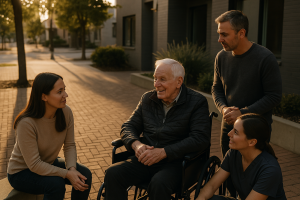
Maintaining meaningful social connections while aging in place is essential for emotional well-being and cognitive health. While home environments can provide familiarity and comfort, there is a risk of isolation if proactive measures are not taken to stay engaged with others. One of the most effective ways for seniors to remain socially active is leveraging existing relationships with family and friends. Regular visits, phone calls, and shared activities—like preparing meals together or enjoying hobbies—nurture bonds and help counteract loneliness.
Neighbors can also be a valuable source of social interaction and casual support. Simple gestures such as exchanging greetings, joining neighborhood watch programs, or participating in local gardening projects help foster a sense of belonging. Encouraging seniors to seek connections within their immediate community can strengthen social safety nets and enrich daily life.
Community programs tailored for older adults, such as senior centers, educational workshops, and hobby clubs, play a vital role in sustaining social engagement. These programs often provide opportunities for group exercise, arts and crafts, book discussions, or travel outings, all of which promote mental stimulation and prevent feelings of isolation. Accessible transportation options like senior shuttles and ride-sharing services can be invaluable, ensuring that lack of mobility does not become a barrier to participation.
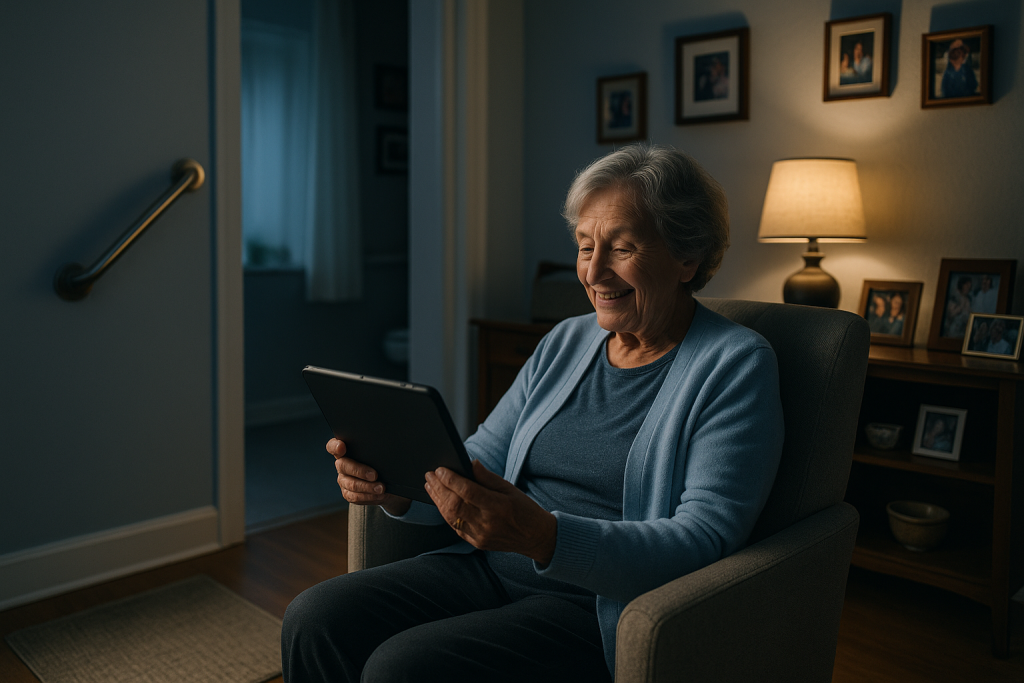
Digital tools have also become increasingly important. Video calls, social media platforms, and online courses enable seniors to communicate with loved ones near and far, learn new skills, and even make new friends—all from the comfort of home. Additionally, many community organizations now offer virtual events specifically for seniors.
Volunteering can serve as a powerful antidote to isolation as well, allowing older adults to share their skills and experience with others while gaining a sense of purpose. Whether through mentoring programs, local charities, or intergenerational activities, these opportunities help seniors feel valued and engaged, maintaining an active and fulfilling social life while aging at home.
Balancing Independence with Professional Support
Balancing independence with professional support is central to the philosophy of safe aging at home. Many seniors treasure their autonomy and take pride in managing daily routines, yet evolving health needs may require thoughtful integration of outside assistance. Crucially, aging in place does not equate to sacrificing safety or quality care. The available spectrum of in-home services allows individuals to receive targeted support while remaining self-sufficient in other aspects of their lives.
A variety of in-home healthcare providers can work seamlessly in the home environment. Registered nurses and licensed therapists deliver skilled medical care, administer medications, and provide wound care or physical therapy following surgery or illness. For those needing help with daily activities, personal care aides can assist with bathing, dressing, grooming, mobility, and toileting—offering respectful, personalized care that preserves dignity. Housekeeping, laundry, and meal preparation services also play an essential role, creating a safer, more comfortable home while reducing physical burdens on the aging individual.
Structured meal delivery programs address nutritional needs by offering balanced, medically tailored options—especially valuable for seniors with dietary restrictions or who may struggle with grocery shopping and cooking. These services contribute not only to physical well-being but also peace of mind, as families feel reassured knowing loved ones receive regular, nutritious meals.
Families can play a pivotal role by establishing clear schedules for care and visits, coordinating with professionals, and setting up emergency response systems such as medical alert devices or neighbor check-ins. Regularly reassessing needs enables timely adjustments. It is wise to develop contingency plans for illness, falls, or sudden changes in health status—ensuring quick access to professional help when required.
Evaluating when to bring in additional support depends on ongoing conversations, observable changes in ability, and honest assessments of safety and well-being. This dynamic, flexible approach ensures that seniors enjoy the maximum possible independence while always having the right level of care at hand.
Conclusions
Choosing to age safely at home brings significant emotional, physical, and social benefits for seniors and their loved ones. By customizing the living space, leveraging supportive resources, and maintaining strong community ties, older adults can enjoy greater comfort and autonomy. Ultimately, safe aging at home empowers seniors to lead fulfilling lives while ensuring peace of mind for their families.