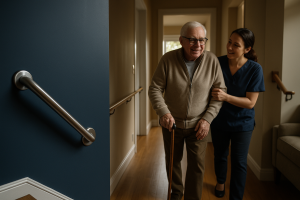

As our loved ones age or face health challenges, knowing when to step in with additional help can be difficult. Spotting the signs that in-home care is necessary allows families to provide support before issues escalate. In this article, we explore clear indicators and practical strategies for making the best decision about home care in 2026 and beyond.
Physical and Cognitive Changes to Watch For
The first signs that a loved one might be struggling at home often appear as subtle shifts in physical abilities, mental sharpness, and emotional well-being. Family and friends are uniquely positioned to notice these gradual changes, which may at first seem minor or easily excused as a normal part of aging. However, paying close attention to these indicators is crucial, as they can signal an emerging need for in-home care and support.
On the physical side, observe for increased unsteadiness while walking, difficulties with getting up from a chair, or a noticeable hesitation with stairs and unfamiliar terrain. Repeated bruises, injuries, or unexplained scrapes may point to recent falls or balance issues—important precursors to more serious accidents. Slower movements, fatigue during everyday activities, or frequent complaints of dizziness should not be overlooked. Additionally, watch for changes in personal appearance suggesting lapses in grooming or hygiene, such as uncombed hair, dirty clothes, or unpleasant odors, which often slip in unnoticed but are telling markers of declining physical ability or motivation.
Cognitively, signs such as confusion about dates or appointments, difficulty following conversations, misplacing frequently used objects, or blank moments during familiar tasks warrant attention. Memory lapses may begin intermittently but often grow in frequency and severity, impacting safety and independence. Loved ones might suddenly forget names or places, struggle to make decisions, or become overwhelmed by previously routine responsibilities.
Emotionally, the shift can be equally telling. A once-sociable individual may withdraw from social circles, avoid favorite activities, or exhibit mood swings and increased irritability. Emotional withdrawal, loss of interest in hobbies, and apparent apathy are common responses to the frustration or embarrassment stemming from these new challenges.
Because these changes often develop slowly, it is easy to attribute them to “just getting older.” Families should remain alert and keep open lines of communication, discussing these observations with their loved one and documenting patterns that could prompt a thoughtful move towards proactive support at home.
Red Flags in Daily Living and Self-Care
When noticing changes in a loved one’s physical and cognitive abilities, it’s vital to pay close attention to how these shifts begin affecting everyday routines. The ability to consistently perform activities of daily living—bathing, dressing, eating, toileting, and managing medications—serves as a crucial indicator of functional health. Lapses in these areas often go unnoticed at first but can quickly jeopardize safety and well-being if left unaddressed.
One key red flag is neglecting personal hygiene or grooming over time. You might find that your loved one is repeatedly wearing the same unwashed clothes, their hair appears unkempt or greasy, or strong odors become increasingly noticeable. Sometimes, baths and showers become rare, either due to physical discomfort, fear of falling, or diminished motivation.
Mealtime habits may also change in alarming ways. Keep an eye out for unopened or spoiled food accumulating in the refrigerator or pantry. Your loved one may unintentionally skip meals or rely on snacks instead of preparing proper meals. In some cases, weight loss or uncharacteristic fatigue can point to inadequate nutrition. Problems like scorched cookware or burnt food may signal not only difficulty with meal preparation but potential safety hazards, especially if memory lapses mean appliances are left on or food is left unattended.
Medication mismanagement is another telling sign that support is needed. Missing doses, taking extra pills by mistake, or failing to refill prescriptions on time can have serious health consequences. You may notice pill bottles remaining full or find scattered medications, indicating confusion or forgetfulness about regimens.
Additionally, look for stacks of unopened mail, unpaid bills, or missed appointments—subtle hints that managing daily responsibilities has become overwhelming. Each of these red flags should be approached with empathy and vigilance. Prompt intervention not only addresses immediate safety and health risks but also opens a path for compassionate discussions about additional support, helping to preserve your loved one’s dignity and independence while safeguarding their well-being.
Communication and Emotional Well-Being
A loved one’s emotional and social well-being is closely linked to their physical health and overall quality of life. Changes in communication patterns and emotional behavior often offer some of the earliest and most telling signs that additional support may be needed, even before daily tasks become overwhelming. Pay attention to subtle shifts in your loved one’s interactions: increased withdrawal from social activities, a noticeable reluctance to answer the phone or engage with friends and family, or an unusual desire for isolation. Mood swings, increased irritability, persistent sadness, and apparent apathy can signal struggles with depression or anxiety, particularly if these are new or have become more pronounced.
Addressing these changes requires sensitivity and honesty. Avoid approaching the conversation from a place of alarm or criticism, which can leave your loved one feeling exposed or defensive. Instead, convey sincere concern by gently expressing what you have observed: “I’ve noticed you seem a bit quieter lately. Is there anything on your mind?” Encourage open-ended responses and allow them to share at their own pace—it is essential not to press too hard or make assumptions about their feelings. If your loved one hesitates to discuss their emotions, reassure them that these feelings are valid and that seeking support is not a weakness but a step toward preserving their independence and quality of life.
Gauging emotional readiness for in-home care involves actively listening to your loved one’s concerns and preferences. Respect their autonomy by involving them in all discussions and decisions. If they feel overwhelmed or embarrassed by the prospect of needing help, acknowledge those emotions and validate their experience. Affirm their dignity at every step by emphasizing that in-home care is designed to support their choices—not to limit them. Ultimately, nurturing a culture of respect, empathy, and open dialogue increases the likelihood of a smoother transition to in-home care and strengthens the bond of trust between you and your loved one.
Taking Practical Steps and Making the Transition
Once the need for in-home care is identified, taking practical, concrete steps ensures a smoother transition for everyone involved. Begin by evaluating the specific type and level of assistance required. Assess your loved one’s medical, personal care, mobility, and household needs—this may involve input from healthcare professionals to determine whether part-time companionship, skilled nursing, or specialized dementia care is appropriate. Consider both current needs and possible future changes, aiming to create a flexible plan.
Involve your loved one in every step of the decision-making process. Open discussions about preferences, boundaries, and fears can help maintain their autonomy and dignity, while fostering trust in the process. Present various care options—whether hiring through an agency, engaging an independent caregiver, or using a combination of services—explaining the benefits and drawbacks of each. Research local and national directories, check provider reviews and references, and confirm credentials, licenses, and background checks. Interview candidates with your loved one when possible, evaluating not just qualifications but also personality fit.
Preparing the home for in-home care is equally crucial. Adapt living spaces for accessibility and safety by removing trip hazards, adding grab bars, rearranging furniture for greater mobility, and ensuring proper lighting. Create a private, comfortable area for the caregiver’s supplies or downtime if live-in care is needed.
Setting up structured routines with clear schedules helps reduce anxiety and establishes predictability. Together with the care provider, outline daily activities, medical regimens, and preferred routines—remaining adaptable to your loved one’s evolving needs. Proactively manage expectations for all family members, openly discussing roles, boundaries, and communication protocols to prevent misunderstandings or conflict.
Regularly monitor care quality by maintaining ongoing communication with your loved one and their caregiver. Schedule periodic check-ins, review care logs, and welcome feedback to promptly address concerns or celebrate successes. Useful resources include local Area Agencies on Aging, Alzheimer’s Association chapters, and reputable online platforms like AARP or Caring.com, which offer guidance and support for families navigating this transition.
Conclusions
Recognizing when a loved one needs in-home care often involves subtle changes in their daily life and well-being. By observing carefully, communicating openly, and acting proactively, families can ensure safety, comfort, and dignity. Making informed decisions and involving professionals as needed can provide the foundation for a healthier, happier future at home.