
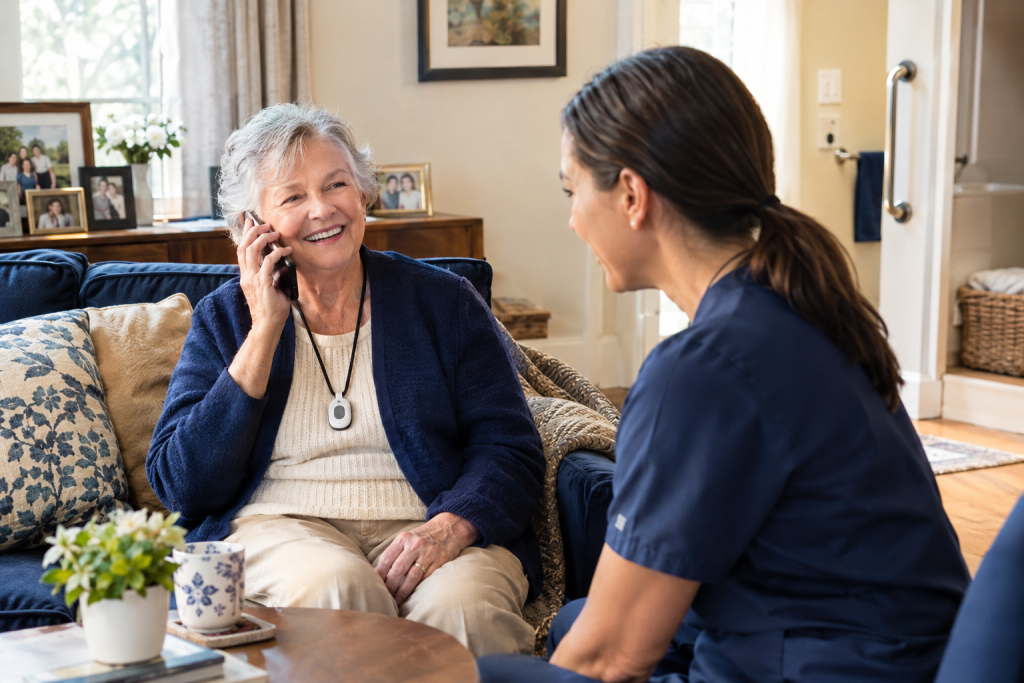
As more seniors choose to age at home, ensuring their safety is a growing priority. Friendly reassurance services, which provide regular compassionate contact and wellness checks, offer a unique solution. In this article, we explore how these supportive services can significantly enhance well-being, foster independence, and prevent emergencies for older adults living on their own.
Understanding Friendly Reassurance Services
Friendly reassurance services are structured programs designed to enhance the well-being and safety of seniors through consistent, compassionate contact. Far beyond casual social calls, these services are conducted with clear purpose and regularity, offering scheduled phone conversations, in-person visits, or virtual check-ins at intervals tailored to each individual’s needs. This element of reliability transforms friendly reassurance into a safety net, blending companionship with purposeful observation.
The architecture of friendly reassurance services typically involves a team of trained professionals—such as social workers, nurses, or home care aides—or dedicated volunteers who genuinely understand the nuances of working with older adults. Each interaction is more than a polite inquiry; it is an opportunity to gently assess the senior’s environment, demeanor, and overall well-being. These check-ins are often scheduled daily or several times a week, with frequency determined by an individual’s health status, living arrangements, family engagement, and personal preference. The predictability of these contacts fosters trust, routine, and a sense of security for seniors, which is vital for those who might live alone or are geographically separated from family.
What sets friendly reassurance services apart is the depth of attention paid during each interaction. The caller or visitor is trained to be observant, noting physical, emotional, or behavioral changes that might hint at underlying issues. For example, even over the phone, a regular caller may detect subtle changes in speech, confusion, or distress. During a video check-in, slight alterations in physical appearance or home environment can also be identified. These observations often go far deeper than what might emerge in a typical social conversation with friends or family.
Additionally, these services act as the nexus of communication, connecting seniors with their loved ones and care networks. Many programs employ digital platforms or care management software to document each interaction. This documentation ensures that family members and coordinators receive immediate updates if concerns arise, allowing for swift responses to emerging issues. The process creates a reliable flow of information between seniors, their support circles, and professionals, reducing the risk of isolation and ensuring that no warning sign goes unnoticed for long.
Essentially, timely and structured check-ins enable early discovery of subtle or gradual changes that could signal developing health problems. By establishing a routine and attentive channel of communication, friendly reassurance services do more than alleviate loneliness; they serve as a proactive safeguard, often identifying concerns like changes in mobility, appetite, or clarity of thought before they escalate into full-blown emergencies. This early detection and rapid escalation protocol form the bedrock of senior safety at home, paving the way for timely interventions and peace of mind for seniors and their families alike.
Reducing Risks and Preventing Emergencies
Through consistent and compassionate outreach, friendly reassurance services address one of the most fundamental challenges facing seniors who wish to live safely at home: the early detection and mitigation of health and safety risks. Regular check-ins, whether by phone, video call, or in-person visit, serve as much more than just a polite gesture—they become a structured framework for continuous surface-level observation that is uniquely attuned to the subtleties of aging.
One of the most tangible benefits of these check-ins is their role in detecting physical changes or warning signs. Seniors may experience shifts in mobility or balance that put them at risk for falls, the leading cause of injury among older adults. When seniors are engaged routinely, subtle changes—a slower gait, hesitation when moving, or reported dizziness—are noticed early. For example, a case study from a New York City reassurance program found that over 30% of falls were preceded by gradually increasing instability that was picked up thanks to daily phone check-ins. Promptly reporting such observations to caregivers or family triggers appropriate interventions, like arranging for physical therapy or environmental modifications at home, which dramatically reduces the likelihood of a serious emergency.
Another crucial area is medication adherence, a persistent challenge for many seniors managing complex prescription regimens. Missed doses or accidental double-dosing can quickly become medical emergencies, especially in the absence of in-person support. Friendly reassurance workers use their conversations to ask gentle questions about medication routines. If inconsistencies or forgetfulness are detected, they can connect seniors with necessary aids or notify healthcare providers before a minor slip turns into a hospitalization. According to recent data from a major home health organization, seniors enrolled in daily reassurance programs reported up to 25% higher medication compliance rates compared to those without such services.
Cognitive health also benefits from this ongoing engagement. Early memory lapses, confusion, or periods of uncharacteristic agitation may signal the onset of cognitive decline. Friendly reassurance representatives are uniquely positioned to spot such patterns through regular dialogue. Alerting family or medical teams at the first sign of cognitive issues facilitates timely assessment and intervention, preserving quality of life and avoiding crises stemming from wandering, missed appointments, or self-neglect.
Equally important is the capacity to identify emotional distress or acute loneliness, which are risk factors for depression and poor health outcomes in older adults. If a senior’s mood seems unusually low or conversations reveal withdrawal from usual interests, reassurance services form an essential early warning system. With prompt intervention—be it counseling, increased social engagement, or support groups—mild distress can be managed before it escalates.
By consistently monitoring these critical aspects of well-being, friendly reassurance services empower seniors to live more safely at home. Their subtle, proactive vigilance transforms small daily interactions into a vital shield against unexpected emergencies and avoidable setbacks, laying the groundwork for greater independence and resilience in later chapters of life.
Promoting Independence and Peace of Mind
Friendly reassurance services provide more than a basic safety check—they deliver vital psychological and emotional benefits that resonate deeply with both seniors and their families. For older adults striving to maintain autonomy, the presence of a consistent and caring daily contact offers a profound sense of empowerment. Through these compassionate check-ins, seniors experience validation of their capability and status as valued individuals. Instead of feeling monitored or scrutinized, they engage in positive, uplifting interaction that affirms their independence while providing subtle, non-intrusive support.
Routine is essential for seniors, providing a comforting sense of structure particularly for those who may not have the busy schedules or active social circles they once enjoyed. Friendly reassurance services introduce a predictable rhythm to each day. The gentle expectation of a call or visit helps establish daily anchors—moments that seniors can anticipate and around which they can organize medication, meals, exercise, and leisure. This structure often encourages adherence to healthy habits and mitigates the disorientation or depressive symptoms that can accompany unstructured solitude.
More than simple companionship, these regular check-ins offer a powerful antidote to the chronic loneliness and isolation that too often afflict older adults. Even brief, heartfelt conversations cultivate a sense of connectedness and belonging. Seniors who may be homebound, or living without frequent family visits, are reminded that someone cares about their well-being. This emotional reassurance boosts mood, nurtures self-worth, and can even enhance cognitive functioning by keeping the mind engaged and alert through conversation and routine social interaction.
Family members, especially those living at a distance or balancing busy lives, benefit profoundly from the peace of mind friendly reassurance services deliver. Knowing a trusted, compassionate person is regularly checking in relieves the stress and guilt many family caregivers feel when they cannot be physically present every day. This communication channel, often enhanced by periodic updates and the option for urgent alerts, builds trust in home care arrangements. Families rest easier knowing that someone will promptly notice if their loved one’s demeanor or behavior changes, and that issues won’t go unnoticed for days or weeks.
Furthermore, friendly reassurance services do not function in isolation; they enhance and integrate with other care resources, acting as a bridge between seniors, families, and medical professionals. When seniors feel supported rather than watched, they are more likely to communicate openly about needs or challenges. This fosters an environment of partnership and trust, strengthening the overall support network. As part of a comprehensive home care strategy, friendly reassurance services enable older adults to remain confidently independent in their own homes—supported not just by practical safety measures, but by meaningful, compassionate human connection that uplifts both seniors and their loved ones.
Conclusions
Friendly reassurance services go beyond a simple check-in—they form a crucial safety net for seniors living at home. By fostering daily connection, detecting problems early, and supporting both independence and emotional health, these compassionate services are an invaluable part of safe and client-centered home care in 2026.