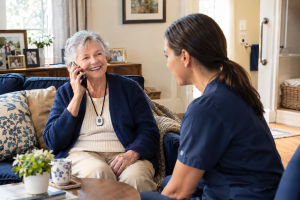
Ensuring senior safety is a growing priority for families and caregivers in 2026. Friendly reassurance services are emerging as a powerful way to promote well-being, independence, and peace of mind. This article explores how these regular check-ins and supportive interactions can strengthen safety for seniors, decrease risks, and provide comfort to both clients and their loved ones.
Understanding Friendly Reassurance Services and Their Importance
Friendly reassurance services are thoughtfully structured programs that provide ongoing communication—through scheduled phone calls, video chats, or in-person visits—to older adults living in the community. At their core, these services consist of compassionate interactions tailored to each senior’s individual circumstances, needs, and preferences. Typically, trained callers or visitors reach out at agreed-upon times to check on the wellbeing of participants, offer supportive conversation, and detect changes in voice, mood, or reported health that might signal an emerging issue. Unlike sporadic check-ins from family or friends, friendly reassurance services are consistent, predictable, and purpose-built to serve as a lifeline for seniors who may be vulnerable due to age, health status, or living situation.
These regular touchpoints do more than fill a social gap. One of their main purposes is to actively reduce feelings of loneliness, which, as studies continually show, has a direct impact on both mental and physical health. Isolated seniors are at higher risk for depression, anxiety, and cognitive decline; the assurance that someone will check on them at a set time can bring comfort and peace of mind, reducing the day-to-day stress of living alone. Additionally, these services provide a reliable means for informal ‘well-being checks,’ allowing issues such as disorientation, forgetfulness, or signs of acute illness to be noticed quickly.
The importance of friendly reassurance services has never been higher than in 2026. Demographic trends show a steadily increasing number of older adults are choosing—or needing—to remain in their own homes rather than move to retirement communities or live with relatives. However, families are often dispersed, with adult children living cities or continents away, making it challenging to provide regular support from a distance. Worse still, the global recognition of isolation as a genuine health risk has brought attention to the vulnerabilities that come with aging alone. Friendly reassurance services help bridge that gap, supplementing the role traditionally taken by families and neighbors in keeping elders safe and emotionally supported.
Isolation brings a host of safety challenges that these services are uniquely poised to address. For seniors living alone, medical emergencies such as falls, heart attacks, or strokes can easily go unnoticed for hours—or even days—if there is no one regularly checking in. Delayed discovery drastically reduces the chance for effective intervention, sometimes turning minor incidents into life-threatening crises. Accidents in the home, forgotten medications, or even subtle events like a change in mood or increased confusion can snowball rapidly without early detection. The structured contact provided by friendly reassurance services ensures that someone is paying close attention, ready to notice behavioral cues or patterns that might indicate a developing problem.
In an era when both the population of older adults and the physical distances between families are growing, friendly reassurance services stand as a crucial safeguard, offering not just social connection and comfort but a foundational layer of safety for our senior population.
The Direct Impact of Reassurance on Senior Safety
When friendly reassurance services are skillfully integrated into a senior’s daily or weekly routine, their impact on safety becomes tangible and measurable in several key ways. One of the foremost benefits is the early detection of emerging health or mobility problems. Regular check-in calls, whether by phone, video, or in person, allow reassurance providers to notice subtle changes in a senior’s voice, mood, or behavior. For example, a reassurance worker may recognize that a normally chatty senior is suddenly quieter and seems confused. This could signal a developing infection or medication issue. By recognizing and reporting these changes in real time, reassurance staff enable families or caregivers to intervene promptly—often before problems escalate into emergencies requiring hospitalization.
Timely detection is not limited to health problems; it extends to mobility or functional changes as well. If a senior mentions feeling unsteady on their feet during a call or that they’ve been avoiding certain rooms due to tripping hazards, steps can be taken to improve home safety or arrange for mobility aids. In one case, a routine phone reassurance led to the discovery that an older adult was struggling to navigate stairs because their handrail had come loose. Thanks to the regular check-in, the repair was made swiftly, reducing the risk of a serious fall.
Medication adherence presents another critical dimension. Seniors, especially those managing multiple prescriptions, can easily miss doses or mix up medications. Reassurance contacts help to reinforce medication routines—not by managing choices, but by providing helpful reminders and casual prompts. Asking, “Did you take your morning pills today?” or reviewing daily tasks in a compassionate manner ensures that these vital routines are upheld. On multiple occasions, reassurance workers have caught minor lapses before they compromise safety, prompting seniors to take missed doses or clarify confusing medication schedules with their physicians.
Safety routines extend beyond medicine. Friendly reassurance services can embed reminders about locking doors, turning off appliances, or checking smoke detectors into their check-ins. These simple conversational prompts are powerful. Seniors, feeling valued and respected, tend to become more diligent in following through with these practices, thereby preventing common household accidents.
The psychological benefits of reassurance should not be underestimated. Consistent, warm interactions build trust and lessen anxiety. Reduced worry is closely linked to increased self-efficacy—seniors gain the confidence to move about their home safely and to voice concerns or uncertainties. When an older adult feels emotionally supported, they are more likely to mention a new ache, report hazards, or ask for help with tasks they might otherwise attempt alone. This open communication is crucial for preemptive safety intervention. In essence, reassurance services create an environment where safety risks are addressed collaboratively and proactively, resulting in fewer accidents and greater overall well-being.
Choosing the Right Reassurance Services for Your Loved One
Selecting the right friendly reassurance service for a senior family member is an important step in fostering ongoing safety, well-being, and peace of mind. When evaluating options, several key characteristics should be prioritized to ensure your loved one receives truly high-quality and meaningful support.
First, consistency is vital. Regularly scheduled check-ins—whether daily, multiple times each week, or customized intervals—allow for the timely recognition of changes in a senior’s routine or health, reinforcing a sense of reliability and stability. Look for providers who offer robust protocols for ensuring that calls or visits are never missed, and who can guarantee backup coverage should a scheduled staff member be unavailable.
Empathy and compassion are the heart of effective reassurance. Staff should be trained not just to follow a checklist, but to engage authentically with seniors, recognizing cues of distress, confusion, or loneliness. This human connection encourages seniors to share concerns they may otherwise withhold and fosters a genuinely supportive environment.
Personalization ensures that services adapt to the unique preferences, routines, and needs of each individual. High-quality reassurance services invest in getting to know their clients, noting key medical considerations, favorite conversation topics, and individual schedules. Providers such as Dignity Home Care Solutions exemplify this by tailoring every interaction—whether it be adjusting contact times around a senior’s medications or accommodating specific communication styles—to enhance comfort and trust.
Clear, transparent communication is essential, both with the senior and with their family. Families should expect regular updates detailing each interaction, with prompt alerts if anything appears amiss. Reliable reporting—such as daily logs, immediate notifications of missed contacts, or feedback on mood and responses—not only reassures families but also facilitates cooperative care planning with other support providers or medical professionals.
When choosing between telephone-based assurance, video calls, or in-person visits, consider the specific needs and technological comfort of your loved one.
- Telephone-based services are often the most accessible and affordable, requiring no special equipment. They provide essential social contact and safety checks but lack visual verification of well-being.
- Video calls add the dimension of face-to-face interaction, allowing for visual assessment of changes in appearance, mood, or environment. However, these require technological literacy and stable internet access, which some seniors may find challenging.
- In-person visits offer the most comprehensive reassurance, allowing home environment assessment and hands-on assistance. This option is usually more expensive and may be less frequent, but it can be invaluable for seniors with more complex needs or mobility issues.
Reassurance needs will evolve as health or living situations change. Assess ongoing effectiveness through regular family discussions, reviewing service logs, and soliciting feedback directly from your loved one about their comfort and satisfaction. Stay open to adjusting frequency, modality, or provider as circumstances shift, ensuring a dynamic approach that continually prioritizes safety and well-being.
Conclusions
Friendly reassurance services are an invaluable component of modern senior care. These services not only enhance emotional well-being but also play a critical role in preventing accidents, improving health monitoring, and fostering independence. By choosing tailored, compassionate reassurance support, families can ensure that their loved ones remain secure, connected, and confident at home.