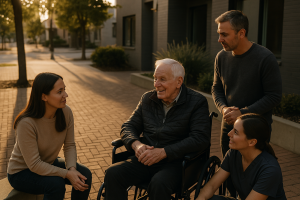

In 2026, the importance of emotional well-being is more recognized than ever. Companion care, offering personalized support and meaningful connection, has emerged as a vital way to enhance quality of life for many—especially seniors and those with chronic conditions. In this article, we explore how companion care addresses emotional needs, fosters connection, and positively transforms everyday living.
Understanding Emotional Well-Being and its Importance
Emotional well-being refers to an individual’s capacity to manage thoughts and feelings, adapt to stress, cope with challenges, and experience a healthy balance of emotions. For aging adults, maintaining emotional well-being is fundamental to navigating life changes, preserving autonomy, and enjoying a high quality of life. Emotional health profoundly influences overall wellness, serving as the foundation for cognitive clarity, strong immune function, and the ability to form and maintain meaningful relationships.
When emotional well-being is nurtured, it enhances resilience—the ability to recover from setbacks or loss—and supports healthier decision-making. Adults who feel emotionally supported are more likely to make positive lifestyle choices, remain socially engaged, and participate in regular physical activities, all of which contribute to longevity and vitality. Furthermore, robust emotional health bolsters life satisfaction, helping individuals embrace purpose and gratitude in daily routines.
Conversely, risks to emotional well-being are especially pronounced for older adults. Loneliness, arising from limited social contact, and isolation, often caused by mobility challenges or living alone, can trigger feelings of sadness or worthlessness. Chronic stress, whether due to declining health, bereavement, or anxiety about the future, disrupts sleep patterns, weakens immune defenses, and increases susceptibility to chronic disease. Such emotional strains may further spiral into depression or cognitive decline if left unaddressed.
Recognizing these risks makes it clear why sustaining emotional well-being is not a luxury but a necessity for healthy aging. The presence of meaningful companionship can be a powerful protective factor, directly counteracting these challenges and uplifting overall mental health.
What is Companion Care
Companion care centers on nurturing enriching, non-medical relationships that bring warmth and emotional stability to individuals, particularly older adults. Unlike clinical or medical care, which focuses primarily on physical needs and complex health tasks, companion care is fundamentally human and relational. Its key components include regular social interaction, engaging activities, and the provision of emotional support tailored to each person’s preferences and background.
Caretakers, often referred to as companions, go beyond fulfilling routine tasks; they create bonds rooted in empathy, shared experiences, and attentive presence. Through conversations that may range from reminiscing about cherished memories to discussing daily events or interests, companions encourage cognitive stimulation and offer a receptive ear when individuals wish to share thoughts or concerns. This fosters both self-worth and validation, enhancing emotional resilience.
Typical services provided within companion care can include participating in hobbies, playing games, reading aloud, accompanying clients on walks, or assisting them in attending social gatherings. These shared activities help anchor individuals in the present, cultivate joy, and provide ongoing sources of enrichment. Perhaps most importantly, the consistency that a regular visitor provides is uniquely comforting, reassuring, and helps establish a stable daily rhythm.
Caretakers act as steady sources of encouragement and genuine friendship, ensuring that those they assist feel seen, valued, and integrated into the fabric of everyday life. Their attentive presence can transform the often solitary experience of daily living into one defined by connection, upliftment, and a thriving sense of belonging—critical pillars for sustained emotional well-being.
Reducing Loneliness and Social Isolation
Loneliness and social isolation have emerged as some of the greatest threats to emotional and physical health in modern society, especially for older adults, people living alone, or those facing changes in their independence. Persistent loneliness can increase stress hormones, disrupt sleep patterns, and even raise the risk of chronic illnesses like heart disease and depression. The absence of regular social contact can foster feelings of emptiness and hopelessness, making it difficult for individuals to maintain a sense of purpose or joy.
Companion care offers a proactive solution by weaving regular, meaningful human connection into daily life. Through shared moments—whether that’s conversation over morning coffee, engaging in shared hobbies, or simply spending time together—a sense of belonging is cultivated. Structured visits break the monotony and bring anticipation and energy to routines, providing opportunities for laughter, shared memories, and validation of personal stories and achievements.
Acts as simple as reminiscing about the past, discussing current events, or celebrating small victories together help to affirm a person’s identity and value. For many, knowing that someone consistently cares contributes to a deep-rooted sense of being seen and appreciated, which in turn lifts mood and combats symptoms of isolation. Over time, these regular interactions create a supportive social fabric. This not only lightens emotional burdens but also encourages engagement with the world, making individuals far less vulnerable to the corrosive effects of loneliness.
Strengthening Emotional Resilience and Mental Health
One of the most transformative benefits of companion care is its capacity to strengthen emotional resilience and bolster mental health, especially during times of significant change or stress. Life transitions—such as retirement, the loss of a spouse, recovering from illness, or even moving to a new living environment—can be daunting and may lead to feelings of vulnerability or uncertainty. Having a compassionate companion at one’s side offers more than company; it provides a stabilizing anchor in moments of upheaval, nurturing emotional resilience that enables individuals to face adversity with greater strength.
A caring presence fosters self-confidence, reassuring individuals that they are not alone in navigating challenges. Compassionate listening and empathy encourage open communication about fears, anxieties, and hopes, thus reducing the burden of internalized stress and promoting positive thinking. Through thoughtful encouragement, companions help individuals reframe difficulties as manageable, fostering a mindset oriented toward solutions rather than obstacles.
Practical assistance with daily tasks—such as organizing the home, managing appointments, or handling unexpected problems—also plays a significant role. When tasks begin to feel overwhelming or insurmountable, the gentle support of a companion ensures that individuals maintain a sense of agency and achievement. This empowerment contributes to more stable moods and reduced feelings of helplessness, both of which are integral to mental health.
Regular affirmation, patient guidance, and small celebrations of progress combine to create an environment where emotional well-being can take root and flourish. Supported in this way, individuals are better equipped to adapt, recover, and thrive in the face of life’s uncertainties.
Enhancing Everyday Joy through Engaging Activities
Through the gentle weaving of meaningful activities into daily life, companion caregivers open pathways to rediscover joy, spark laughter, and kindle a sense of engagement. Participating in hobbies—whether it’s crafting, painting, baking, or gardening—provides avenues for creative expression that uplift the spirit and anchor the mind in the present. Regular walks in the neighborhood or local park nurture both physical vitality and emotional contentment, as sensory experiences and shared conversation lessen feelings of isolation. Classic board games or puzzles evoke lighthearted competition, stimulate cognitive function, and often lead to moments of genuine laughter, reinforcing positive emotions.
Caregivers adeptly introduce routine recreational elements tailored to individual interests, establishing reliable rhythms that infuse each day with anticipation and purpose. This regularity promotes psychological stability, reducing anxiety that can arise from unpredictability. Reminiscence sessions, such as flipping through photo albums or recounting cherished stories, help individuals reconnect with their histories and validate their experiences, often evoking pride and nostalgia that reaffirm identity.
Some of the most profound moments come from spontaneous connections—a shared favorite song played and sung aloud, gentle stretching exercises accompanied by calming music, or a silly improvisational game designed to provoke giggles. Each of these activities is more than simple distraction; they open doors to meaningful engagement and emotional release. The presence of a compassionate companion encourages relaxation, reinforces that joy is possible at every stage of life, and transforms routine moments into celebrations of connection and vitality.
Empowering Independence and Personal Dignity
The true value of companion care extends beyond providing company or physical assistance—it lies in its ability to nurture autonomy and uphold an individual’s personal dignity. As people age or navigate changes in their health, a sense of dependence can sometimes overshadow their self-image and well-being. Companion caregivers play a vital role in reversing this by offering support that empowers, not replaces, the person’s existing abilities. Rather than stepping in to do everything, these caregivers encourage clients to participate in their daily routines, from selecting outfits to taking part in meal preparation and making choices about their day.
By facilitating decision-making, companion care preserves a sense of control, which is central to maintaining self-esteem. The freedom to choose—what to eat, when to engage in activities, or how to spend free time—remains deeply meaningful, fostering a continued sense of purpose. This respect for personal agency translates into a life where changes in health or mobility do not have to result in a loss of identity. Instead, individuals feel seen, valued, and respected, able to shape their own lives within supportive boundaries.
Promoting independence, even in small tasks, diminishes feelings of helplessness or frustration that can stem from losing autonomy. It validates each person’s experiences and contributions, reinforcing their self-worth. As companion caregivers offer just the right level of assistance, they help clients navigate transitions with dignity intact, encouraging a resilient and positive outlook despite evolving circumstances.
Conclusions
Companion care plays a crucial role in improving emotional well-being by offering genuine connection, practical support, and encouragement. As we prioritize mental health in 2026, investing in compassionate care strengthens resilience, fosters joy, and upholds independence—helping individuals of all ages feel valued and emotionally fulfilled.